Clinical Instructor
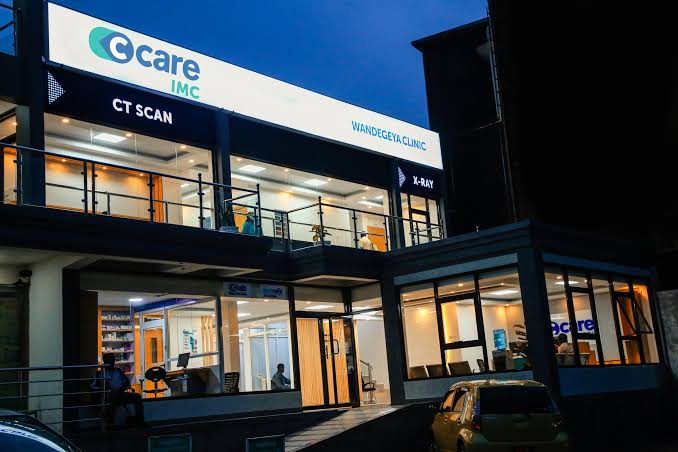
C-Care
- Location
- Kampala District
- Type
- Full-time
- Level
- 2+ years
- Deadline
- 29 August 2026
C-Care is hiring a Clinical Instructor in Kampala to lead nursing competency, OSCE, BLS/ACLS and simulation training across its regional hospitals. Nursing/Midwifery degree or diploma, valid licence, 2+ years experience.
The Clinical Instructor is responsible for developing, coordinating, delivering, assessing and documenting structured clinical education and competency programmes for nursing and other relevant clinical staff across C-Care regional hospitals. The role strengthens safe, evidence based and patient centred care through competency based education, Objective Structured Clinical Examinations (OSCEs), Basic Life Support (BLS), Advanced Cardiovascular Life Support (ACLS), simulation, bedside coaching, mandatory clinical training, induction and remediation programmes.
The Clinical Instructor uses nursing quality indicators, clinical incidents, audit findings, patient outcomes and accreditation gaps to identify learning needs and translate them into measurable improvement interventions, and supports continuous readiness for COHSASA accreditation and compliance with Ministry of Health requirements, professional regulatory standards, infection prevention and control requirements, approved C-Care policies and recognized patient safety principles.
About C-Care
C-Care is a leading provider of medical care in Mauritius, Uganda and Madagascar. From world class facilities to cutting edge treatments, C-Care strives for excellence and compassion in everything it does, from the care provided to the way patients and their families are treated. C-Care employs highly qualified medical staff, uses modern technology and equipment, and follows strict standards of safety and cleanliness. Its approach to healthcare is based on treating the whole person, mind, body and spirit, with compassion, kindness, understanding and respect.
Key Responsibilities
- Clinical Education Governance and Training Needs Assessment
- Develop and maintain a regional clinical education framework aligned with organizational priorities, approved policies, nursing standards, patient safety risks and accreditation requirements
- Conduct and document annual and periodic training needs assessments using nursing KPI trends, audits, incidents, complaints, new services, new equipment, competency gaps and manager feedback
- Develop an annual regional clinical training calendar, facility level implementation plans and competency matrix, with clear target groups, frequency, assessment method and evidence requirements
- Ensure training content is evidence based, current, standardized across facilities and approved through the appropriate clinical/nursing governance processes
- Coordinate clinical orientation and competency validation for newly recruited, transferred or redeployed nursing staff before independent practice in high risk areas
- OSCE and Competency Assessment
- Design, validate and periodically review OSCE stations, checklists, marking guides, assessor instructions and standardized scenarios for nursing and other relevant clinical competencies
- Coordinate fair, objective and standardized OSCEs across regional hospitals, including assessor calibration, candidate briefing, examination logistics, confidentiality and results governance
- Assess competence in priority skills such as patient assessment, medication administration, infection prevention, emergency response, oxygen therapy, IV therapy, blood transfusion, documentation, safe handover, wound care and deterioration recognition
- Provide structured feedback to participants and managers, develop remediation plans for unsuccessful candidates, and conduct documented reassessment before competency is confirmed
- Maintain auditable records of competency outcomes, remediation, reassessment and authorization to practice where applicable
- BLS, ACLS, Resuscitation and Simulation Training
- Plan, coordinate and deliver BLS, ACLS and emergency response training within the scope of the instructor's current certification and organizational authorization
- Conduct regular mock code and simulation exercises covering cardiac arrest, airway emergencies, anaphylaxis, shock, sepsis, deteriorating patients and other high risk clinical scenarios
- Train staff in high quality CPR, AED use, manual defibrillation where applicable, airway support, team dynamics, closed loop communication, emergency drug principles and post resuscitation processes
- Use structured debriefing after simulations and real event reviews to identify human factor, knowledge, equipment, communication and system gaps and recommend corrective actions
- Coordinate with facility leadership and Biomedical Engineering to ensure training defibrillators, manikins, airway trainers and other simulation equipment are functional and available
- Nursing KPIs, Clinical Quality and Patient Safety
- Work with the Head of Nursing, facility nursing leads and Quality and Risk teams to review nursing sensitive indicators and identify education priorities
- Develop targeted improvement education for recurrent gaps involving inpatient falls, pressure injuries, medication errors, patient identification, hand hygiene and IPC, nursing documentation, pain assessment, clinical deterioration, escalation, resuscitation, transfusion safety and catheter/device care
- Conduct focused bedside competency rounds and direct observation of practice to verify that training has translated into safe clinical performance
- Support clinical audits and tracer activities, analyse learning related causes of non compliance and implement education based corrective actions
- Participate in incident reviews, morbidity/mortality learning forums or RCA processes where a training or competency contribution is identified, without replacing the accountability of the responsible clinical or quality lead
- COHSASA Accreditation and Continuous Readiness
- Support implementation and sustained compliance with COHSASA requirements relevant to staff competence, education, orientation, emergency preparedness, patient safety and clinical practice
- Maintain organized and readily retrievable evidence of staff orientation, training, competency assessment, simulation drills, attendance, remediation and instructor qualifications for accreditation review
- Participate in self assessments, mock surveys and tracer activities, identify training related deficiencies and maintain corrective action trackers to closure
- Ensure staff can demonstrate practical knowledge of relevant policies, emergency procedures, patient safety requirements and role specific competencies during accreditation assessments
- Promote continuous readiness so that competency and training standards are embedded in routine practice rather than prepared only for external surveys
- Infection Prevention, Medication Safety and High Risk Clinical Skills
- Coordinate competency based training on standard precautions, hand hygiene, PPE, aseptic technique, isolation practices, sharps safety, waste segregation and device related infection prevention
- Support medication safety education including the medication administration process, high alert medicines, controlled medicines, infusion safety, allergy verification and medication reconciliation
- Coordinate practical training for high risk skills including blood transfusion, oxygen therapy, IV therapy, emergency equipment checks, care of central/peripheral lines, urinary catheters, pressure injury prevention and safe patient transfer
- Escalate unsafe practice or persistent competency deficiencies promptly to the relevant line manager and Head of Nursing
- Clinical Coaching, Preceptorship and Staff Development
- Provide bedside coaching, mentorship and supportive supervision to nurses, nursing assistants and other approved clinical staff within scope
- Develop and support a structured preceptor/clinical mentor network across regional hospitals, including criteria, orientation and periodic evaluation of preceptors
- Coach staff following incidents, audit gaps, performance concerns or introduction of new technology, equipment, protocols or service lines
- Promote reflective practice, professionalism, respectful communication, teamwork and a culture of speaking up for patient safety
- Identify high potential staff for instructor/preceptor development to strengthen internal training capacity and succession
- Training Records, Data and Reporting
- Maintain a centralized and facility level training database showing mandatory training, BLS/ACLS status, competencies, expiry dates, remediation and outstanding requirements
- Prepare monthly reports for the Head of Nursing, Regional Hospitals, summarizing training delivered, attendance, competence outcomes, high risk gaps, overdue requirements, KPI linked interventions and actions requiring management support
- Analyze results by facility, department and competency area to identify recurring gaps and prioritize resources
- Protect confidentiality, examination integrity and staff records in accordance with organizational information governance requirements
- Ensure training records are complete, signed and verified where required, current, traceable and ready for internal or external audit
- Policy, Procedure and Practice Change Implementation
- Participate in review of nursing and clinical policies to identify education and competency implications before implementation
- Develop concise training materials, skills checklists, quick reference guides and simulations for new or revised policies and procedures
- Coordinate change readiness training when introducing new equipment, medications, digital systems, pathways or clinical services
- Assess post implementation competence and report barriers to adoption to the responsible operational and clinical leaders
- Stakeholder Coordination and Regional Support
- Work collaboratively with Hospital Managers, facility nursing leads, Clinical Managers, Quality and Risk, HR/L&D and multidisciplinary departments to deliver coordinated learning programmes
- Schedule training in a manner that minimizes disruption to patient care while ensuring adequate participation across shifts
- Support facility specific clinical priorities and urgent retraining following serious incidents, new risks, identified accreditation gaps or service changes
- Represent Nursing on relevant education, resuscitation, quality, patient safety or competency committees as assigned by the Head of Nursing
Requirements
- Bachelor's degree or Diploma in Nursing or Midwifery from a recognized institution. A postgraduate qualification in Nursing Education, Health Professions Education, Critical Care, Emergency Nursing, Quality Improvement or a related field is an advantage
- Current registration and valid annual practising licence with the relevant professional regulatory council in Uganda
- Minimum two years of post registration clinical nursing experience, with at least two years in clinical teaching, preceptorship, simulation, staff development, quality improvement or supervisory practice
- Current BLS certification and recognized BLS instructor qualification. ACLS provider certification is required; ACLS instructor certification is strongly preferred
- Demonstrated competence in adult learning, facilitation, competency based assessment, OSCE design, simulation based education, debriefing and coaching
- Strong understanding of clinical governance, patient safety, nursing standards, infection prevention and control, medication safety, emergency response systems and continuous quality improvement
- Working knowledge of COHSASA accreditation principles and the ability to translate standards, audit findings and identified deficiencies into training, competency and improvement plans
- Ability to analyze nursing KPIs, clinical incidents, audit data and competency results, identify trends, and recommend targeted corrective and preventive actions
- Strong communication, facilitation, feedback, report writing, stakeholder management and change management skills
- Competence in Microsoft Office and digital learning/training records, with the ability to maintain auditable staff competency evidence and training dashboards
- Ability and willingness to travel regularly between regional hospitals and adapt training schedules to clinical service requirements
How to Apply
This listing was sourced via The Scholar Jobline (Job ID 25110). Apply through C-Care's official careers channels, referencing the Clinical Instructor position.
Qualifications
How to apply
This listing was sourced via The Scholar Jobline (Job ID 25110). Apply through C-Care's official careers channels, referencing the Clinical Instructor position.
More Nurse / Midwife opportunities
Nursing Apprenticeship - Specialized Clinical Track
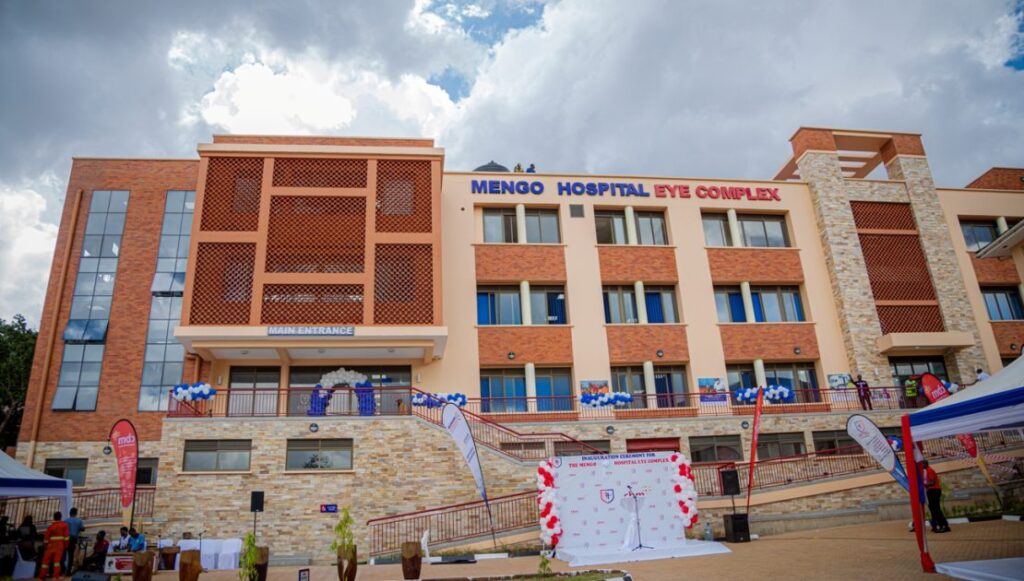
Mengo Hospital

Enrolled Nurse (2 Positions) - Grace Family Health Centre
Grace Family Health Centre

Enrolled Midwife
Ibanda District Local Government
Enrolled Midwife (1 post) — Private Wing
Mbarara Regional Referral Hospital

Enrolled Nurse (7 posts) — Private Wing
Mbarara Regional Referral Hospital

School Nurse
City Secondary School Ssenge
This listing is provided for information only. Rate My Musawo does not guarantee its accuracy and is not involved in the recruitment or application process.